
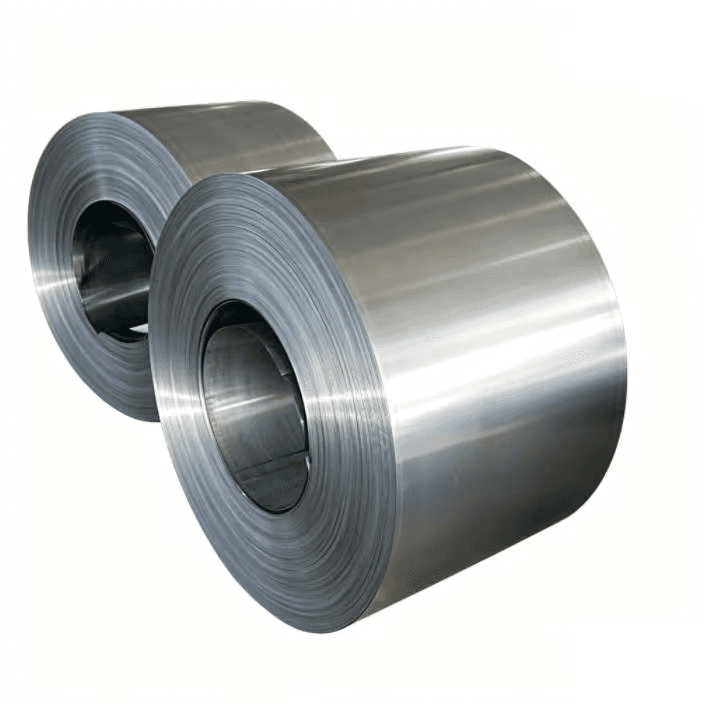
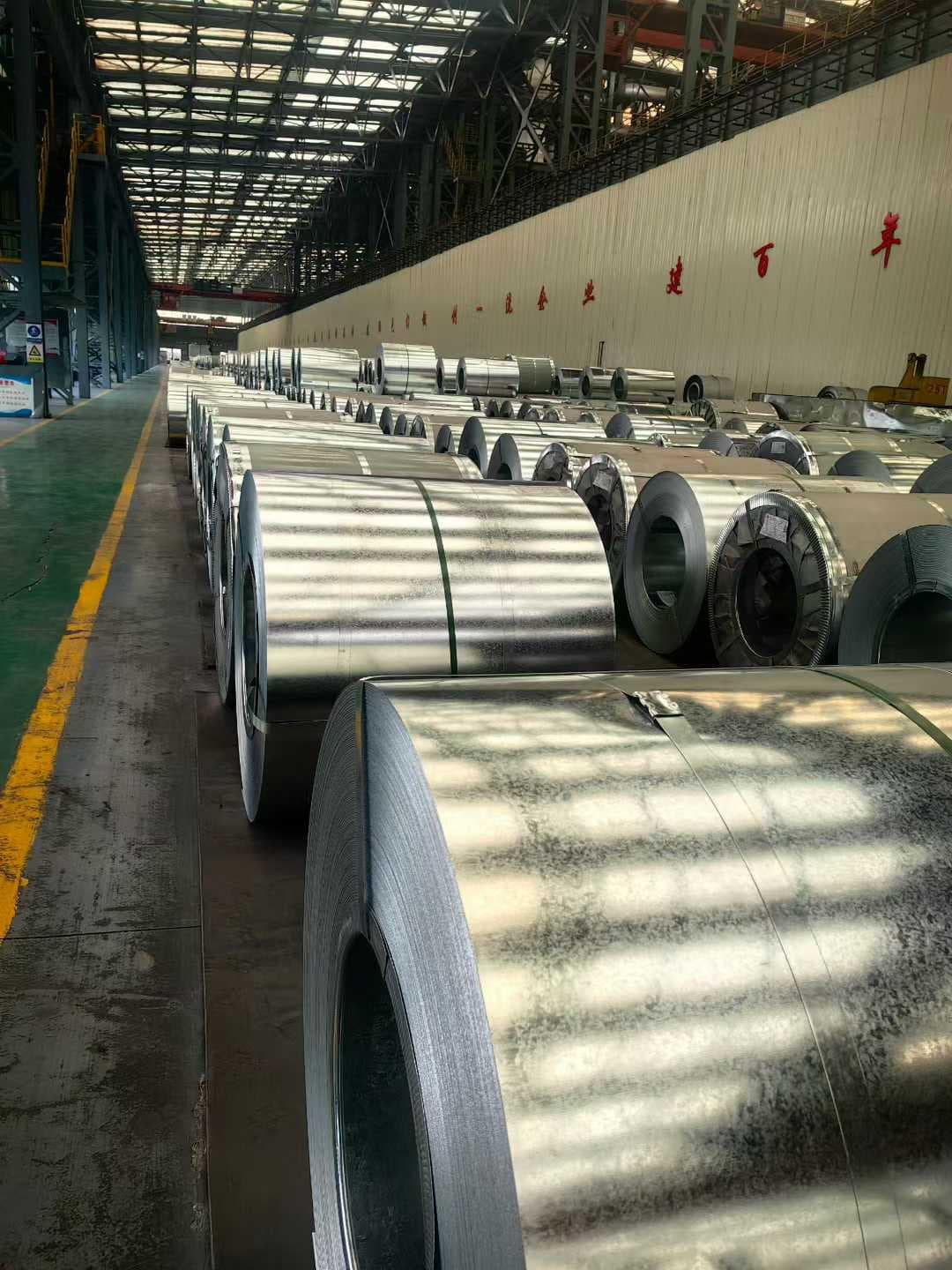
لفائف الصفيح المطلي بالقصدير
لفائف الصفيح المطلي بالقصدير لتغليف المواد الغذائية، صناعة العلب، والاستخدام الصناعي
تعد لفائف الصفيح المطلي بالقصدير واحدة من أكثر المواد الخام استخدامًا على نطاق واسع في صناعات التغليف المعدني وصناعة العلب. يتم اختيارها بشكل شائع لعلب المواد الغذائية، وتغليف المنتجات الجافة، وعلب الحليب المجفف، وحاويات المشروبات، وعلب الزينة، والعديد من تطبيقات التغليف الصناعي الأخرى حيث تكون الجودة المتسقة ومقاومة التآكل وأداء التشكيل الموثوق به ضرورية.
بالنسبة للمشترين الصناعيين، فإن لفائف الصفيح المطلي بالقصدير ليست مجرد منتج فولاذي. إنها مادة تغليف حاسمة للإنتاج. قرار الشراء الحقيقي لا يتعلق فقط بالسعر لكل طن، ولكن أيضًا بما إذا كان المورد يمكنه دعم مواصفات متكررة مستقرة، والتسليم في الوقت المناسب، والاستمرارية ذات الحجم الكبير، ومراقبة الجودة، والخدمة العملية طوال عملية الطلب.
لهذا السبب، عادةً ما يهتم المشترون الذين يبحثون عن لفائف الصفيح المطلي بالقصدير بأكثر بكثير من مجرد توافر المادة. إنهم يريدون معرفة:
- هل يمكن للمورد دعم الطلبات السائبة المتكررة؟
- هل يمكن أن تظل جودة المادة مستقرة من شحنة إلى أخرى؟
- هل يمكن للمورد الرد بسرعة خلال موسم الذروة أو التزويد العاجل؟
- هل يمكن للمورد دعم العروض المخصصة، والقطع المخصص، واحتياجات المعالجة ذات الصلة؟
- هل يمكن للمورد تنسيق وثائق الجودة، والتعبئة التصديرية، وجداول التسليم بشكل احترافي؟
يجب أن يجيب برنامج توريد قوي لفائف الصفيح المطلي بالقصدير بوضوح على كل هذه الأسئلة.
ما هي لفائف الصفيح المطلي بالقصدير؟
لفائف الصفيح المطلي بالقصدير هي صفائح من الفولاذ منخفض الكربون المدرفلة على البارد والمطلية بالقصدير، يتم توريدها بشكل لفات لعمليات التصنيع اللاحقة مثل صناعة العلب، والكبس، والقطع، والطباعة، والطلاء، وإنتاج التغليف الصناعي. تُستخدم على نطاق واسع لأنها توفر توازنًا عمليًا بين:
- مقاومة التآكل
- جودة سطح جيدة
- القدرة على التشكيل
- القدرة على الطباعة
- التوافق مع التغليف
- كفاءة الإنتاج
مقارنة بالعديد من المواد البديلة، تظل لفائف الصفيح المطلي بالقصدير خيارًا مفضلاً لمجموعة واسعة من منتجات التغليف المعدنية لأنها تعمل بشكل جيد في كل من الإنتاج الصناعي وسلاسل توريد التغليف التصديرية.
بالنسبة للمشترين الذين يديرون برامج تغليف متكررة، فإن اختيار المورد المناسب لفائف الصفيح المطلي بالقصدير غالبًا ما يكون بنفس أهمية اختيار المادة نفسها.
لماذا يختار المشترون الصناعيون لفائف الصفيح المطلي بالقصدير
عادة ما يختار المشترون لفائف الصفيح المطلي بالقصدير عندما يحتاجون إلى مادة خام يمكنها دعم أداء التغليف وكفاءة الإنتاج معًا.
من الناحية العملية للشراء، تُقدر لفائف الصفيح المطلي بالقصدير لأنها يمكن أن تدعم:
- خطوط الإنتاج المستمرة
- عمليات صناعة العلب المستقرة
- الطلبات الصناعية المتكررة
- تخطيط المواد بكفاءة
- التحويل المرن لاحقًا إلى ألواح أو أحجام مقطوعة
- تغطية تطبيقية واسعة عبر قطاعات الغذاء والمشروبات والتغليف
بالنسبة للمصانع والموزعين الذين يتعاملون مع طلب متكرر، يقدم التوريد بشكل لفات أيضًا مزايا في تخطيط المخزون، ومرونة التحويل، وتنظيم المشتريات على المدى الطويل.
هذا هو أحد الأسباب الرئيسية التي تجعل لفائف الصفيح المطلي بالقصدير تظل مادة أساسية لشركات تصنيع التغليف، وصانعي العلب، والمعالجات الصناعية، والمشترين الكبار للفولاذ.
التطبيقات النموذجية لفائف الصفيح المطلي بالقصدير
تُستخدم لفائف الصفيح المطلي بالقصدير في مجموعة واسعة من تطبيقات التغليف والصناعية. اعتمادًا على المواصفات، والمعالجة اللاحقة، ومتطلبات المشروع، يمكن استخدامها لـ:
علب المواد الغذائية
تُستخدم لفائف الصفيح المطلي بالقصدير على نطاق واسع لإنتاج علب المواد الغذائية، بما في ذلك تغليف الخضروات والفواكه والصلصات والمأكولات البحرية والأطعمة المصنعة. غالبًا ما يهتم المشترون في هذا القطاع بأداء مقاومة التآكل، واتساق الجودة، والتوريد المتكرر لاستمرارية الإنتاج.
علب الحليب المجفف
عادة ما يتطلب مصنعو علب الحليب المجفف مواصفات متكررة أكثر استقرارًا، وتناسقًا أفضل في التغليف، وتخطيط تسليم موثوق. تعتبر لفائف الصفيح المطلي بالقصدير مادة أساسية شائعة لهذا النوع من تغليف الأغذية الجافة.
علب الأغذية الجافة
غالبًا ما تعتمد تغليف الشاي والقهوة والبسكويت والمساحيق الغذائية والمكونات الجافة والوجبات الخفيفة على الصفيح المطلي بالقصدير لأنه يدعم قوة التغليف، والتشطيب الزخرفي، ومتطلبات التصنيع المتكررة.
علب المشروبات
في بعض التطبيقات المتعلقة بالمشروبات، يحتاج المشترون إلى مواد تغليف فولاذية تدعم المعالجة الكفؤة وأداء خط الإنتاج المستقر. يصبح اتساق المادة مهمًا بشكل خاص في هذا المجال.
علب الزينة والهدايا
يمكن أيضًا تحويل لفائف الصفيح المطلي بالقصدير إلى مواد صفائحية للتغليف الزخرفي، وعلب الهدايا، وعلب الشاي، وعلب البسكويت، ومشاريع التغليف المعدنية ذات العلامات التجارية.
التغليف الصناعي
بخلاف تغليف الأغذية والاستهلاكية، تُستخدم لفائف الصفيح المطلي بالقصدير أيضًا في تطبيقات التغليف الصناعية المختارة حيث تكون القدرة على التشكيل، واستمرارية التوريد، وخيارات التحويل العملية مهمة.

التحديات الرئيسية التي يواجهها المشترون عند توريد لفائف الصفيح المطلي بالقصدير
نادرًا ما يواجه المشترون الصناعيون صعوبة في العثور على أي مورد للصفيح المطلي بالقصدير. التحدي الحقيقي هو العثور على مورد يمكنه دعم متطلبات الشراء الكاملة بطريقة موثوقة.
تشمل مخاوف المشتري الأكثر شيوعًا في شراء لفائف الصفيح المطلي بالقصدير:
1. جودة المواد غير المتسقة
يتلقى بعض المشترين عينات مقبولة ولكنهم يجدون أن الطلبات السائبة اللاحقة تختلف في السماكة، وحالة السطح، والتسطح، أو سلوك التشكيل. هذا يخلق عدم استقرار في الإنتاج، ومخلفات أعلى، ومشاكل في ضبط خط الإنتاج.
2. دعم ضعيف للطلبات المتكررة
قد يقدم المورد عرض سعر سريع على الطلب الأول ولكنه يعاني في دعم الطلب المتكرر، والأحجام المتكررة، أو تخطيط الإنتاج طويل الأجل.
3. تأخير التسليم خلال موسم الذروة
لتغليف المواد الغذائية، وتغليف العلب الجافة، والمشاريع الموجهة للتصدير، التوقيت مهم. يمكن أن يؤثر تأخر وصول المواد على جدول الإنتاج بأكمله.
4. ضعف التواصل أثناء الطلبات السائبة
غالبًا ما يحتاج المشترون الكبار إلى أكثر من مجرد سعر. يحتاجون إلى تتبع الطلبات المستمر، وتأكيد المواصفات، ودعم الوثائق، وتنسيق الشحنات. إذا كان التواصل ضعيفًا، يرتفع خطر المشتريات بسرعة.
5. دعم معالجة محدود
لا يريد كل مشترٍ لفائف كاملة فقط. يحتاج البعض إلى التقسيم، والقطع لأطوال معينة، والتحويل لأحجام متكررة، أو توريد أفضل جاهز للاستخدام اللاحق. إذا لم يتمكن المورد من دعم ذلك، يزداد الضغط الداخلي للمصنع.
يجب أن يساعد مورد قوي لفائف الصفيح المطلي بالقصدير في تقليل هذه المشكلات، وليس إضافتها.
ما يهتم به المشترون عادة قبل تقديم الطلب
عند شراء لفائف الصفيح المطلي بالقصدير، عادة ما يراجع المشترون المحترفون النقاط التالية بعناية:
ملاءمة مواصفات المنتج
يحتاج المشترون إلى تأكيد ما إذا كانت المادة تطابق التطبيق المقصود من حيث:
- السماكة
- العرض
- الصلابة/المتانة
- الطلاء
- جودة السطح
- شكل التوريد
استقرار الطلبات المتكررة
بالنسبة للمشترين الصناعيين، الاختبار الحقيقي ليس ما إذا كان يمكن توريد طلب واحد، ولكن ما إذا كان يمكن دعم نفس المواصفات مرارًا وتكرارًا بجودة مستقرة.
القدرة على التوريد في الوقت المناسب
الاستجابة السريعة والتوريد في الوقت المناسب أمران بالغا الأهمية، خاصة عندما يعمل المشترون مع طلب موسمي، أو إعادة تزويد عاجلة، أو جداول إنتاج ضيقة.
دعم الإنتاج والمخزون
يريد المشترون معرفة ما إذا كان المورد لديه القدرة، ومنطق المخزون، وتنسيق سلسلة التوريد لدعم الطلب ذي الحجم الأكبر أو المستمر.
مراقبة الجودة وإمكانية التتبع
يتطلب توريد لفائف الصفيح المطلي بالقصدير الموثوق به انضباط التفتيش، والتحكم في المواد، ودعم وثائق واضح.
الخدمة والتواصل
يبحث المشترون الجادون عن موردين يمكنهم التنسيق بشكل احترافي، والرد بوضوح، ودعم تنفيذ الطلبات الحقيقية بدلاً من مجرد إرسال عروض الأسعار.
يصبح قرار الشراء أقوى بكثير عندما تتم معالجة كل هذه النقاط قبل بدء الإنتاج.
مزايانا في توريد لفائف الصفيح المطلي بالقصدير
نضع توريد لفائف الصفيح المطلي بالقصدير لدينا حول احتياجات المشتريات الصناعية الحقيقية، وليس مجرد وصف المادة.
توريد مستقر للإنتاج المستمر
نحن نتفهم أن مصانع التغليف، وصانعي العلب، والموزعين الصناعيين غالبًا ما يعملون مع طلب متكرر بدلاً من الطلبات الفردية العرضية. لهذا السبب يركز تركيزنا على دعم التوريد المتكرر المستقر، وليس فقط الشحنات لمرة واحدة.
التوريد في الوقت المناسب وتنسيق التسليم
بالنسبة للعديد من المشترين، خاصة في قطاعات الأغذية والتغليف، يتسبب تأخير المواد في خسائر أكبر بكثير من فروق الأسعار الصغيرة. نضع تركيزًا قويًا على التوريد في الوقت المناسب، وتنسيق مهلة التسليم العملية، ومتابعة الطلب حتى يتمكن المشترون من تخطيط الإنتاج بثقة أكبر.
دعم القدرة للطلبات السائبة
يحتاج المشترون السائبون إلى الثقة بأن المورد يمكنه دعم أحجام الطلبات الأكبر، وإعادة التزويد المتكررة، وبرامج المواصفات المتعددة. نركز على خدمة هذا النوع من متطلبات الشراء الصناعي من خلال نهج توريد أكثر تنظيمًا وقابلية للتوسع.
مراقبة الجودة التي تدعم الإنتاج الحقيقي
الجودة ليست مجرد اجتياز فحص واحد. بالنسبة للمشترين الصناعيين، تعني الجودة المواد التي تعمل بشكل مستقر في الإنتاج المتكرر. نركز على الاتساق، والتحكم في الطلبات، وإدارة الجودة العملية لتقليل مشاكل الإنتاج التي يمكن تجنبها.
الخبرة مع المشترين الكبار والبرامج المتكررة
بعض الموردين جيدون في تقديم عروض أسعار للطلبات الصغيرة. والبعض الآخر أفضل في دعم الطلب الصناعي المنظم. منطق توريدنا مصمم حول المشترين الذين يحتاجون إلى مشاريع متكررة، ومواصفات متكررة، واستمرارية الطلبات السائبة، وخدمة أكثر انضباطًا.
خدمة تتجاوز المادة نفسها
نحن لا ننظر إلى الخدمة على أنها إضافة منفصلة. بالنسبة لمشتريات الصفيح المطلي بالقصدير بين الشركات، تعد الخدمة جزءًا من قيمة المنتج. التواصل السريع، وتأكيد المواصفات، وتنسيق الشحنات، ودعم الوثائق، والمتابعة بعد البيع كلها حاسمة لنجاح الشراء.
كيف تساعد لفائف الصفيح المطلي بالقصدير الخاصة بنا المشترين على تحسين كفاءة المشتريات
يجب أن تساعد ترتيبات توريد لفائف الصفيح المطلي بالقصدير العملية المشترين على القيام بأكثر من مجرد تأمين المواد الخام. يجب أن تحسن أيضًا عملية الشراء والإنتاج بشكل عام.
يمكن أن يساعد توريد لفائف الصفيح المطلي بالقصدير الخاص بنا المشترين على:
- تحسين الثقة في تخطيط الطلبات المتكررة
- تقليل مخاطر المشتريات خلال المواسم المزدحمة
- دعم جدولة المصنع الأكثر استقرارًا
- تبسيط التواصل حول المواصفات المتكررة
- تحسين التنسيق بين فرق المشتريات والمستودعات والإنتاج
- تقليل الاضطراب الناجم عن متابعة المورد الضعيفة
- تطابق أفضل بين توريد المواد الخام والتحويل اللاحق أو احتياجات التغليف
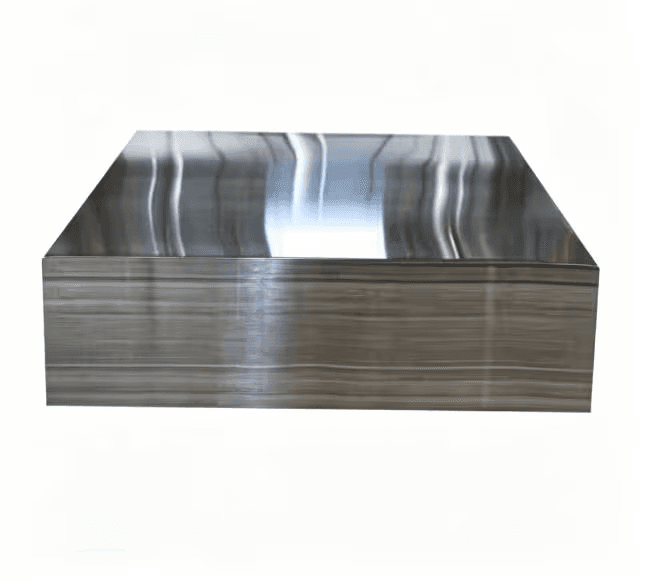
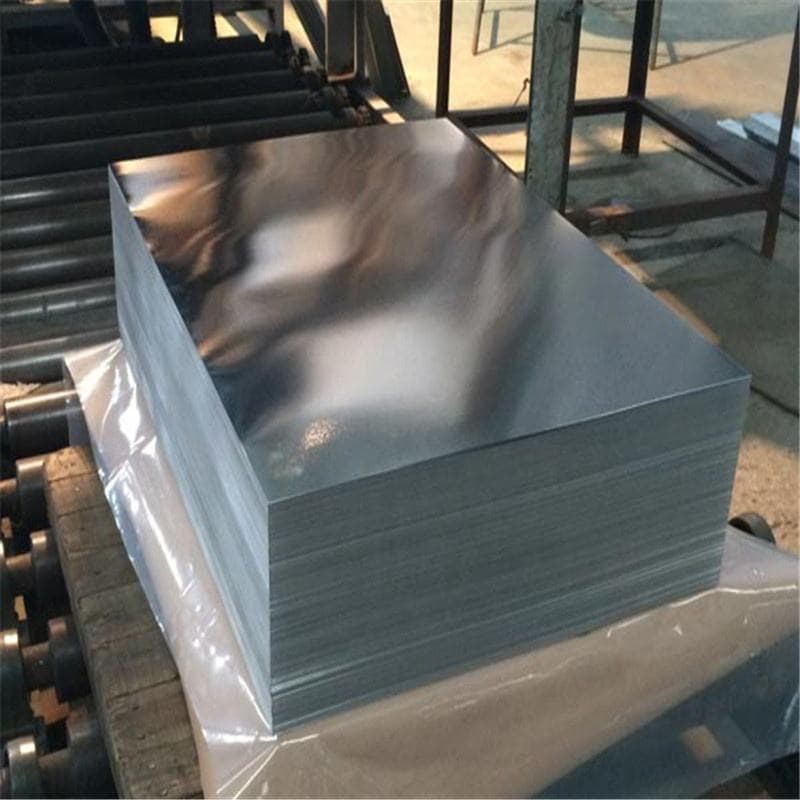
صفائح TFS بأحجام مخصصة
صفائح TFS بأحجام مخصصة للأغطية، والنهايات، والإغلاقات، ومكونات التعبئة والتغليف، وتطبيقات الختم الصناعي المتكرر. مصممة للمشترين الذين يحتاجون إلى أبعاد متكررة، واستقرار في تكرار الحجم، وإمدادات في الوقت المناسب، ودعم طويل الأمد موثوق للإنتاج الصناعي المتكرر.
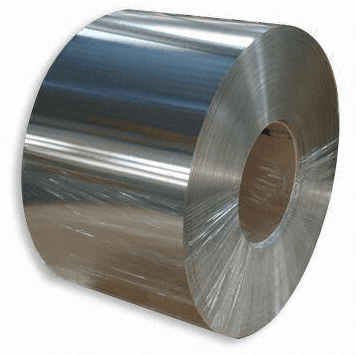
دعم توريد المخزون بالجملة
دعم توريد المخزون بالجملة لمشتري الصفيح، والفولاذ المطلي بالقصدير (TFS)، وفولاذ التغليف الذين يحتاجون إلى تنسيق مخزون مستقر، وإعادة تموين دورية، واستجابة أسرع للطلب الصناعي المستمر، واستمرارية توريد طويلة الأجل أقوى.
برنامج توريد الأحجام المتكررة
دعم توريد الأحجام المتكررة لمشتري الصفيح، وTFS، والفولاذ المستخدم في التعبئة والتغليف الذين يحتاجون إلى أبعاد متكررة، وإعادة تموين متكررة، واستمرارية في المشتريات الصناعية طويلة الأجل. مصمم للمصانع والموزعين ومشتري مكونات التعبئة والتغليف الذين يبحثون عن ترتيبات توريد متكررة أكثر استقرارًا.
Interested in this product?
Get in touch for more information, pricing, or custom requirements.