
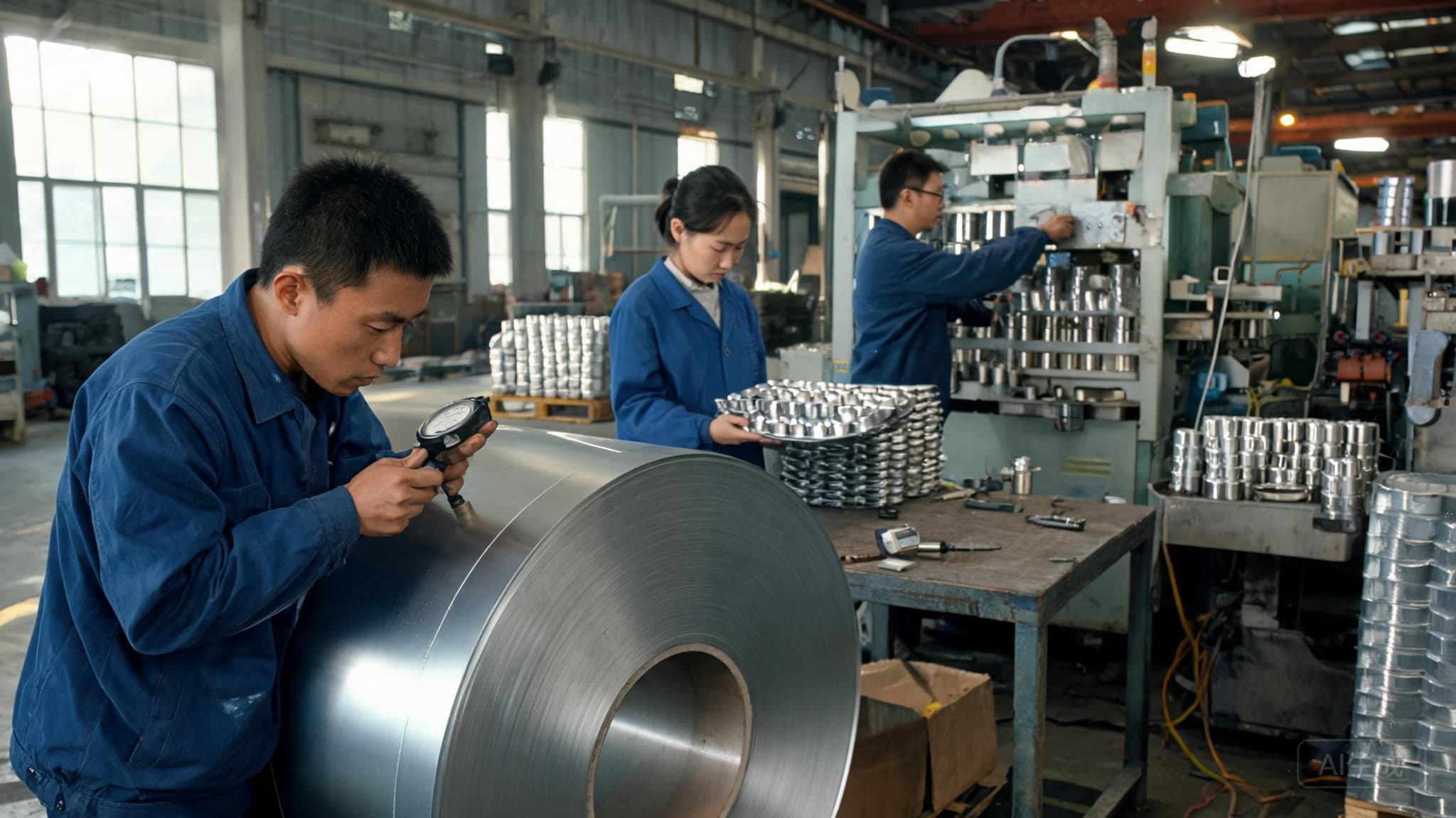
Build a More Reliable Metal Packaging Supply Chain, from Coil to Custom Can
Connect Packaging Supply to Production Needs
When materials, components, and finished cans come from disconnected suppliers, production teams can absorb the cost: quality may vary between orders, coordination can slow purchasing, and packaging may not match filling-line requirements. A more connected sourcing approach can simplify procurement and improve consistency from metal stock through finished packaging.
For food and industrial packaging buyers evaluating a metal packaging materials supplier or metal packaging components supplier, the goal is not simply to find the lowest unit price. It is to match the right supply point, specifications, and support to your operation.
Reduce the Risks of Fragmented Supply
Managing separate suppliers for coil, can ends, and containers can create communication gaps. A change to material dimensions may not reach the component supplier in time; a lid specification may not align with the can; or a delivery delay may disrupt production planning. Even when each vendor performs well individually, coordinating them takes time and can leave buyers managing avoidable risk.
A connected sourcing model can make specifications and delivery expectations easier to align across materials and finished products. It also gives buyers a clearer path to resolve questions about fit, quality, and production timing. When comparing supplier structures, consider how different tinplate sourcing and processing partners support your order.
Choose a Supply Point That Fits Your Production
The right supplier depends on what your operation can produce in-house and what it needs delivered ready for filling or assembly.
- For in-house converting: A tinplate coil supplier, tinplate sheet supplier, or tin free steel supplier may be the right starting point if your facility can form the material into packaging or components.
- For component requirements: A can lid manufacturer or easy open end supplier can provide ends and lids matched to your container format and opening requirements.
- For ready-to-fill packaging: A can supplier can provide finished containers for operations that do not convert metal in-house.
Make the decision based on product, line capabilities, order specifications, and the support you need—not unit price alone. Compare material suitability, tolerances, delivery planning, and supplier responsiveness to changes. For a broader view of purchasing trade-offs, see how buyers compare tinplate prices without compromising the decision.
Select the Right Metal Material and Form
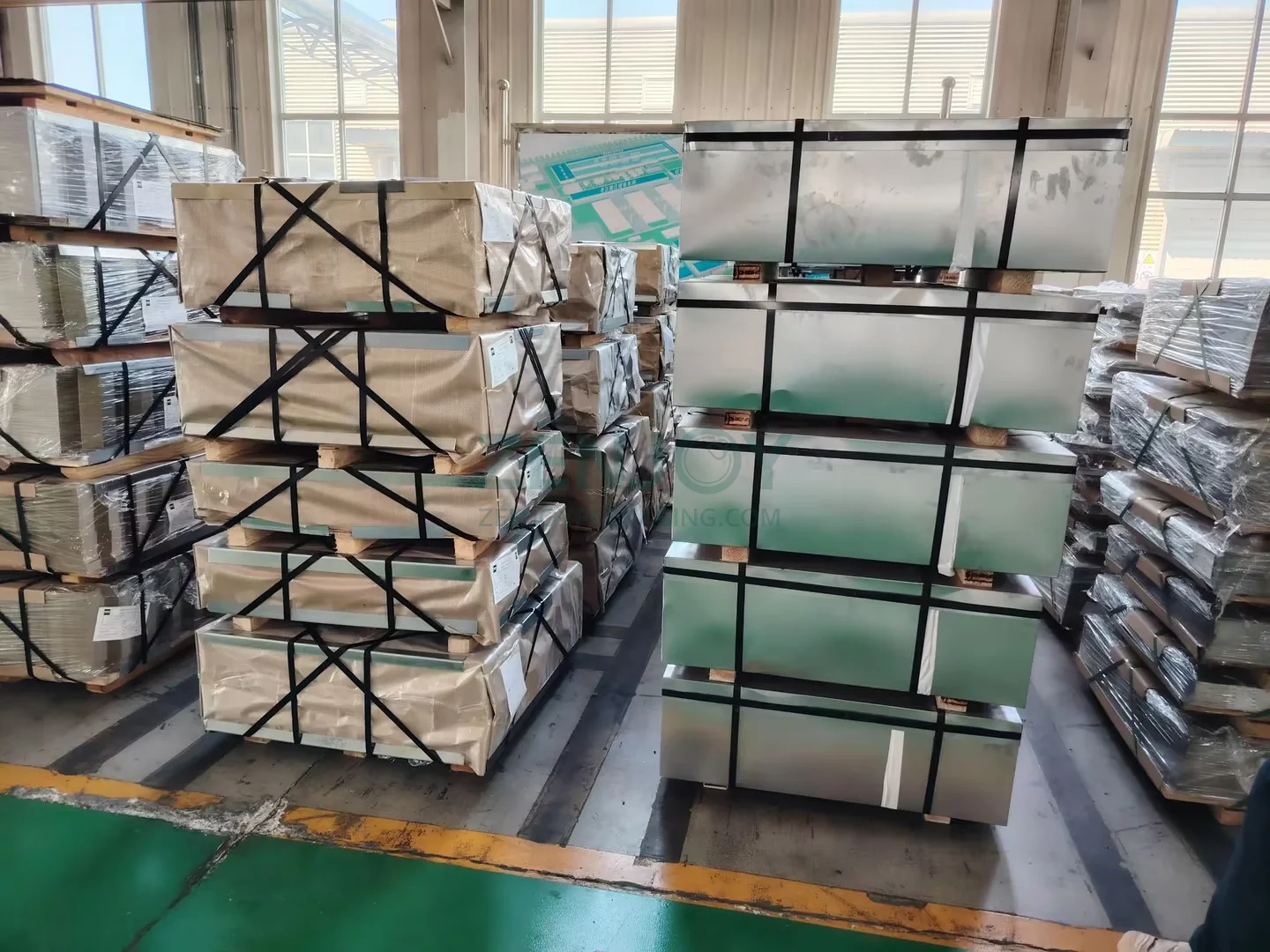
Tinplate is steel sheet coated with tin and is commonly used in can making and packaging. Tin Free Steel (TFS) is chromium-coated steel without tin and is commonly used for can ends and lids. The appropriate choice depends on the application, forming process, product compatibility, and required specifications.
Buyers looking for coil stock may consider an electrolytic tinplate sheet supplier offering tinplate steel sheet in coil. Tinplate offers corrosion resistance and processability for packaging applications. Confirm the required grade, thickness, coating, and finish against the intended use and manufacturing process.
Choosing tinplate coil for manufacturing, tinplate sheet, chromium-coated steel coil, or a tin free steel sheet supplier starts with the requirements of your forming and filling operations. Confirm product compatibility, dimensions, and the properties needed for your can body, ends, or other components before placing an order.
When your process requires sheet rather than coil, tinplate scroll cutting can convert coil into customer-specified sheets. The coil is slit and leveled or cut to length into sheet for stamping or bending into can bodies, easy-open lids, boxes, and other components. Confirm sheet dimensions and tolerances with your supplier so the material arrives ready for your equipment.
Match Can Ends and Lids to Product and Format
Can ends and lids need to work with the container and filling line as well as the product itself. Compare dimensions, material, sealing performance, opening experience, and compatibility with the can and production equipment. Clear specifications help a tinplate can lid manufacturer, EOE lid supplier, or supplier of a steel can lid for cans quote the right product.
- Full Aperture – Rectangle: Suited to canned food applications where broad product access is important, including rectangular container formats.
- Full Aperture – Oval and Customized: A 159.8 × 106.8 mm option for large cans and convenient opening. Discuss a custom-size easy-open lid if your format requires different dimensions.
- Full Aperture – Round: Available from 49.5 mm to 153.4 mm for formats including milk powder, jam, and luncheon meat.
When comparing suppliers, check more than the opening format. Ask about dimensional controls, sealing performance, inspection practices, and how the end will be matched to your can and line. These details help you assess whether a can lid manufacturer can meet your production requirements.
Compare Finished Can Options for Your Application
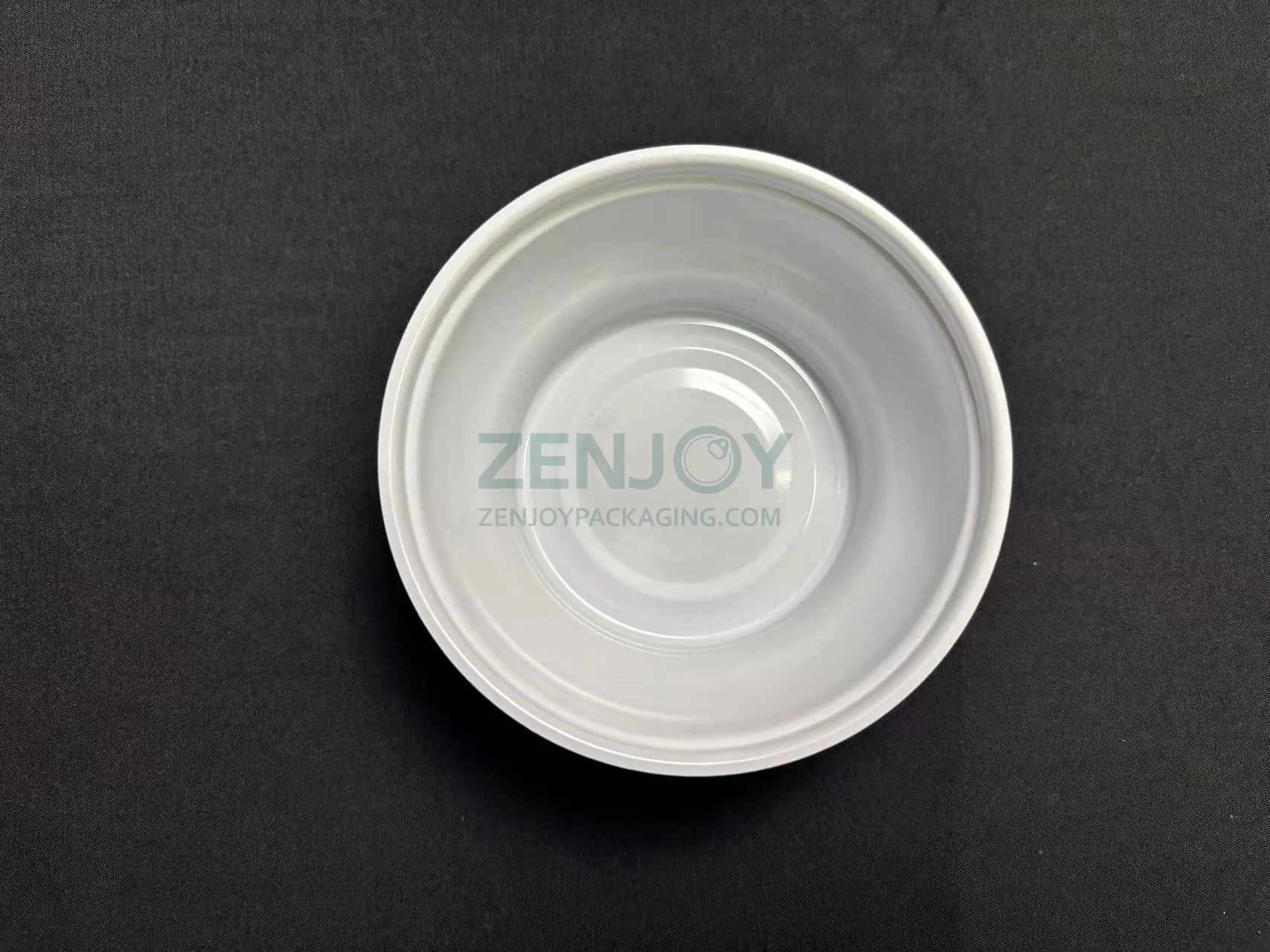
A three-piece can may suit applications requiring a body formed from sheet, with a separate bottom and end. A three-piece tin can manufacturer or three-piece can supplier can help assess the format against product, dimensions, and filling requirements. A two-piece design may better suit applications that use a body with an integrated base; compare options with a two-piece metal can supplier or two-piece can supplier.
End use can help narrow the options. A round metal can supplier, milk can supplier, meat can supplier, or tuna can supplier can discuss formats for your product and production setup. Customized metal cans offer another route when dimensions, materials, or shapes need to be tailored. Custom printed tin cans can also support brand and product requirements.
Before requesting a quote, prepare the intended use, can dimensions, decoration needs, estimated order volumes, and filling-line compatibility requirements. A complete brief makes it easier to compare proposals and identify a workable specification. If your requirements are still being finalized, review the quotation process to prepare the details suppliers need.
Check Quality and Supply Before You Commit
Confirm material specifications, dimensional tolerances, food-contact suitability where applicable, sealing performance, inspection practices, and order documentation. Ask how the supplier maintains consistency across materials, lids, and finished containers, and how it manages samples, production changes, and delivery planning.
Assess supply performance against your own production baseline. Zenjoy Packaging’s industry content reports a 30% supply-chain optimization result. Use that figure as a prompt to investigate measurable opportunities, then validate the baseline and outcome for your operation. Ask which processes changed, how improvement was measured, and what results apply to your order profile.
Give delivery planning the same attention as product specifications. Discuss lead times, order milestones, and how changes are handled. These conversations can help address delays before they affect production. Learn more about common tinplate lead-time risks and ways to reduce them.
Move Forward with a Clear Supply Plan
Reliable sourcing starts by aligning procurement with your capabilities and product needs—whether you require raw material, components, or finished metal packaging containers. A coordinated metal packaging containers supplier can help connect these requirements and clarify the path from specification to delivery.
Prepare drawings or dimensions, material preferences, target application, estimated volumes, and delivery requirements. These details give a supplier a practical basis for assessing tinplate and TFS supply, easy-open ends, can lids, or customized metal packaging for your operation.
Related News
Other news you might be interested in
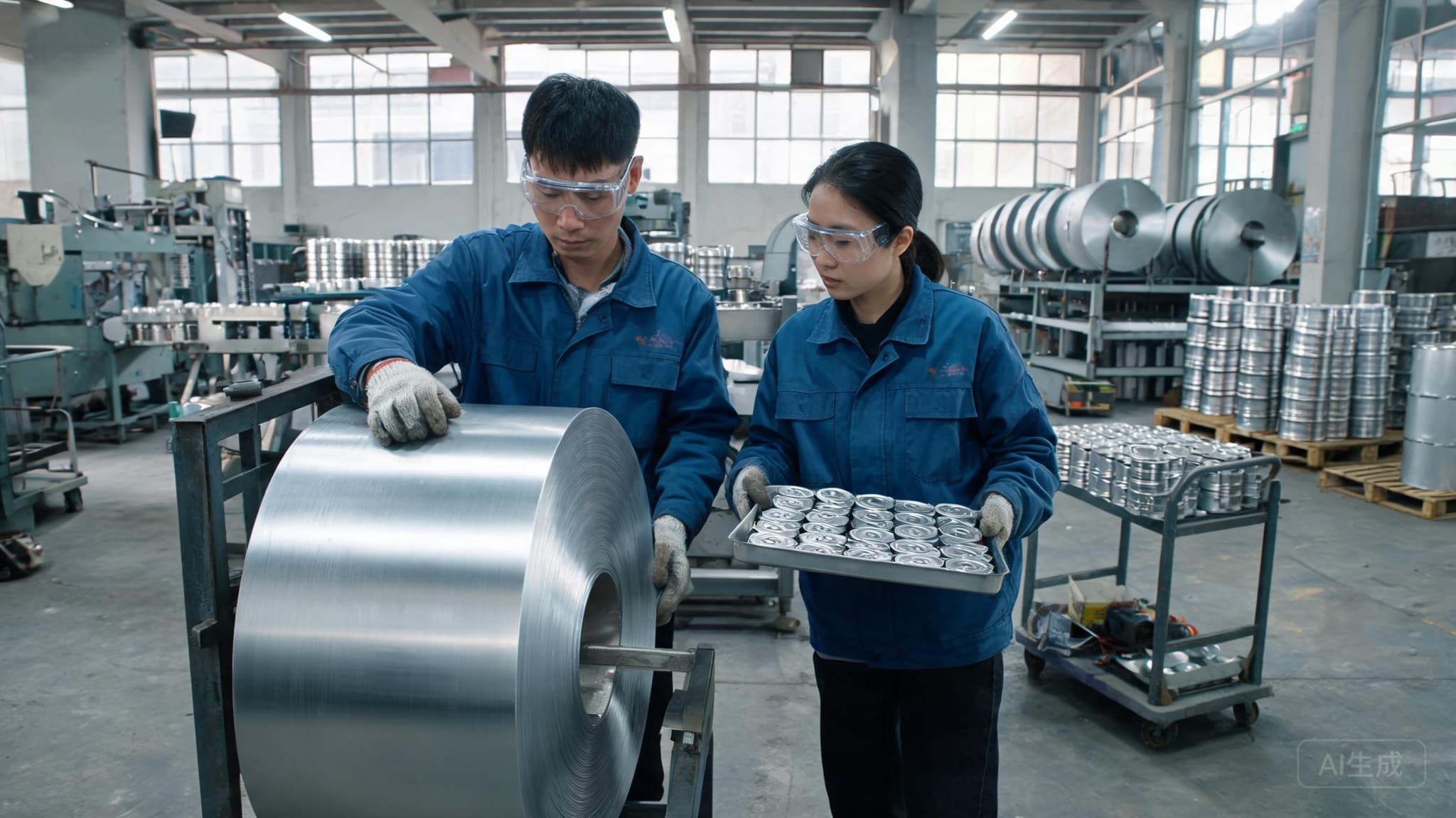
Build a More Reliable Metal Packaging Supply Chain from Coil to Can
Coordinate tinplate, TFS, can ends, lids, and finished cans through a clearer sourcing plan. Match materials and components to your production line, specifications, and delivery needs.
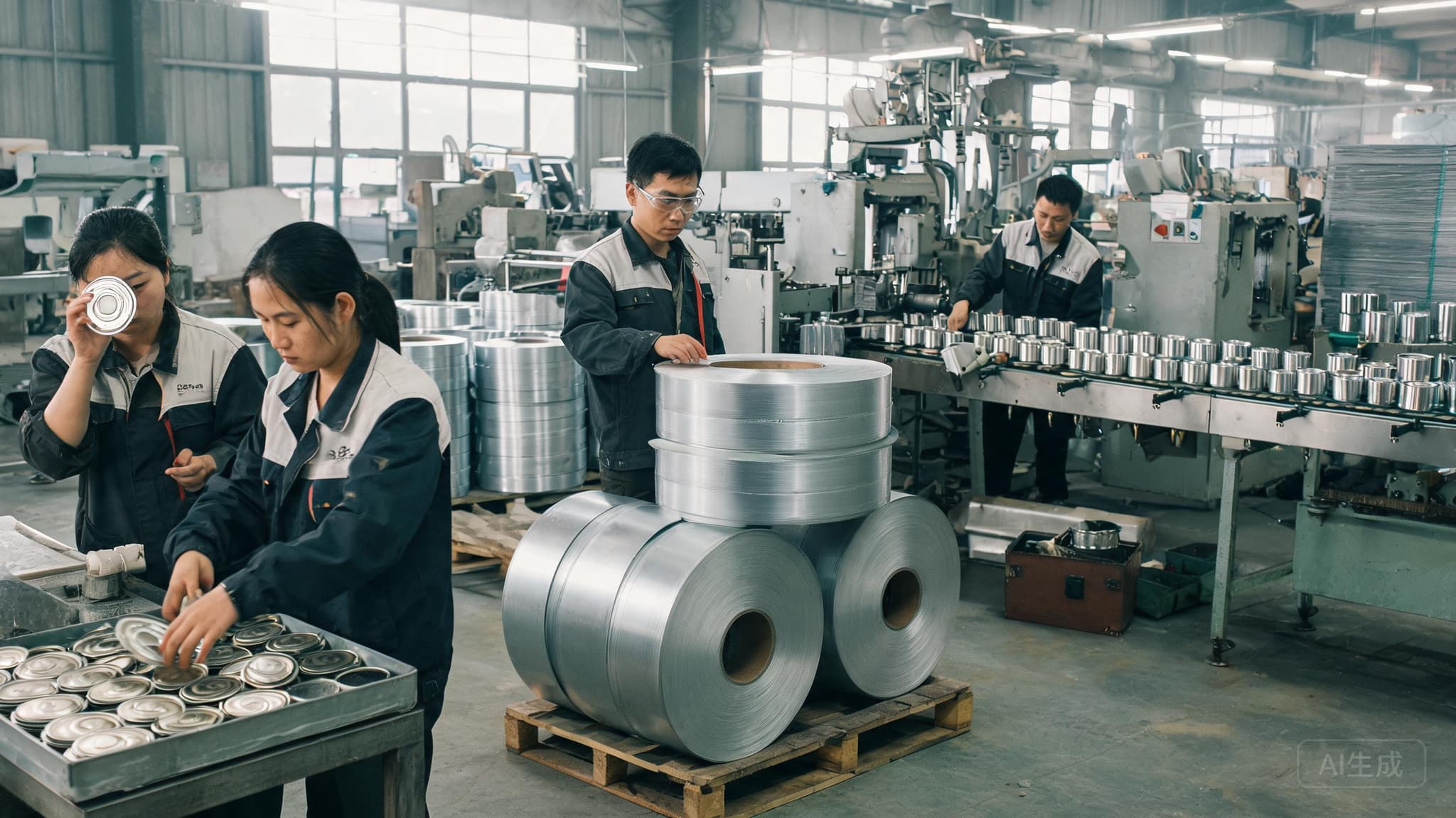
Build a More Reliable Metal Packaging Supply Chain from Coil to Finished Can
Coordinate tinplate, TFS, can ends, lids, and finished cans with a sourcing plan built around your specifications, production capabilities, and delivery schedule.
Want to know more?
Get in touch with us for more information about our services and products.