
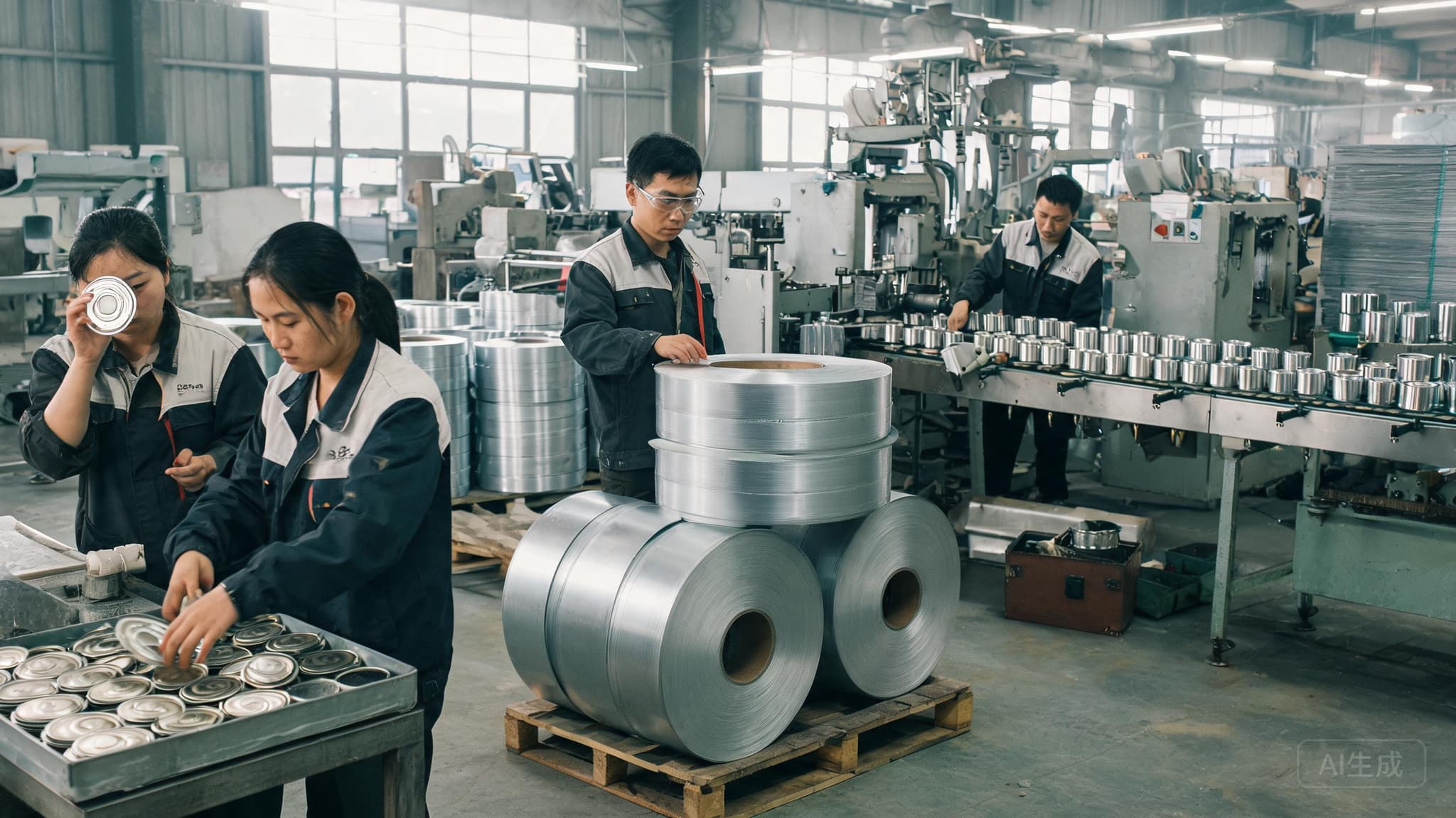
Build a More Reliable Metal Packaging Supply Chain from Coil to Finished Can
When Packaging Supply Becomes a Production Bottleneck
When materials and components come from multiple vendors, even a small mismatch can create a major production challenge. Inconsistent specifications, communication gaps, or late deliveries can disrupt schedules and make it harder to keep can-making lines running efficiently.
Material or component variations may affect forming, sealing, and filling performance. The result can be lost line time, delayed orders, or output that falls short of plan. A sourcing model aligned with your production capabilities and finished-product requirements can help reduce these risks.
Start with clear specifications, dependable supply, and coordination at every stage—from coil and sheet through lids, components, and finished cans.
Choose the Right Starting Point: Materials, Components, or Finished Cans
Your best sourcing option depends on your operation. You may need coil or sheet for in-house conversion, can ends and lids to complete your packaging, or finished two-piece and three-piece metal cans ready for filling.
An integrated metal packaging materials supplier can coordinate requirements across multiple stages. Depending on your production setup, you may source through a tinplate coil supplier, a tinplate sheet supplier, a Tin Free Steel (TFS) supplier, an easy open end supplier, or a metal packaging containers supplier.
When comparing suppliers, assess how they manage specification control, processing, and delivery coordination. This guide to comparing tinplate sourcing options can help structure your evaluation.
Match Tinplate and TFS to the Application
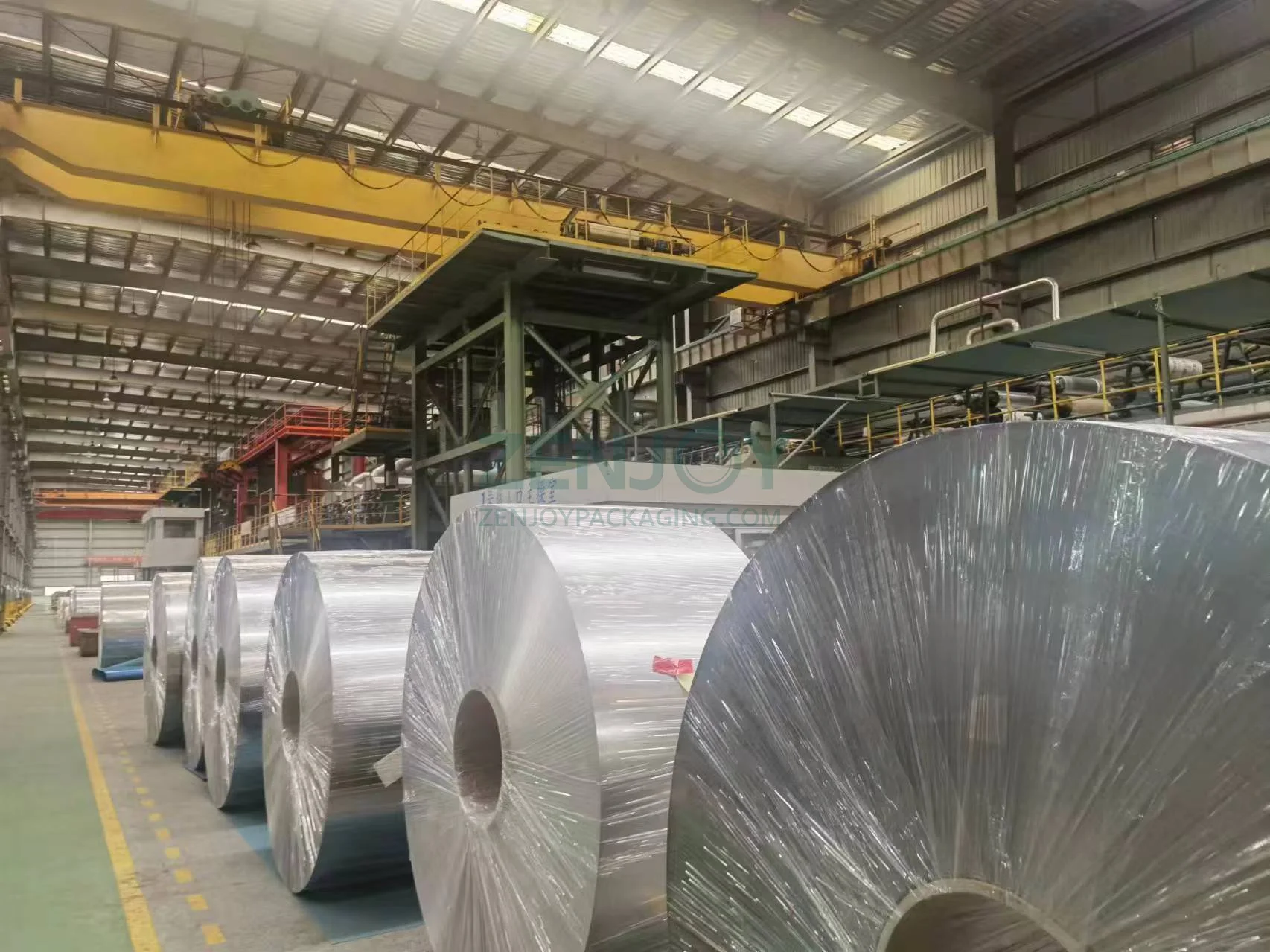
Tinplate is steel sheet coated with tin for can making and packaging. Tin Free Steel (TFS) is chromium-coated steel without tin, commonly used for can ends and lids. The right material depends on the product, forming process, and performance requirements of the finished package.
Tinplate steel sheet in coil serves food, beverage, and other packaging applications where processability, corrosion resistance, and appearance matter. Specify coil material to suit your downstream processing needs.
Tin Free Steel (TFS) sheet in coil is supplied uncut and requires further processing. Buyers can assess chromium-coated steel coil for suitable packaging applications and component designs.
Tinplate scroll-cut sheet is tinplate coil slit and leveled to customer-specified dimensions. It can then be stamped or bent into can bodies, easy-open ends, and other components. Before ordering, confirm the material grade, coating, dimensions, end use, and processing requirements with your supplier.
Coordinate Can Ends, Lids, and Components with Production Needs
A tinplate can lid manufacturer can align lid specifications with the can body, filling process, and product requirements. Confirm dimensions and closure details early to ensure compatibility with the complete packaging system.
For opening convenience, discuss format and access requirements with an easy-open end supplier. Options may include a custom-size easy-open end designed for the package and product. For rectangular formats requiring wider access, a full-aperture easy-open end may be suitable.
A tinplate claw-type twist-off lid is a sealing cap with a formed claw structure and twist-open design. It may suit jars containing products such as chili sauce, honey, and pickled vegetables. You can also source steel can lids alongside other packaging materials and components.
Select a Can Format That Fits the Product and the Line

A two-piece metal can supplier and a three-piece metal can manufacturer may offer different capabilities, formats, and customization options. Match the construction to the product, filling process, line capabilities, and required dimensions.
Two-piece cans can be customized by dimensions and material to suit the product and brand. Three-piece cans offer customizable solutions for standard round formats and selected irregular shapes. Discuss tooling, production volume, and format requirements with your supplier.
Application-specific sourcing may call for a milk can supplier, meat can supplier, tuna can supplier, or round metal can supplier. Custom-printed tin cans can also be specified to meet your design requirements.
Make Supplier Consolidation Work for Your Business
Supplier consolidation is most effective when it improves control, not just the number of purchase orders. Evaluate specification management, quality consistency, production capacity, customization, communication, and supply continuity. Clarify how changes, approvals, and delivery updates will be handled.
Coordinating tinplate or TFS, lids, and finished cans through a metal packaging components supplier can reduce handoffs and simplify procurement. Review the shipping process to understand delivery coordination and consider how lead-time risks fit your production calendar.
Zenjoy Packaging has reported a 30% supply-chain optimization result in a specific case. This outcome is case-specific, not a guaranteed saving. Assess potential impact against your sourcing baseline, operating costs, and service requirements.
Compare total landed cost and operational risk rather than unit price alone. A lower quote may not represent better value if inconsistent specifications, missed deliveries, or added coordination create costs elsewhere. This guide to comparing tinplate prices can support a more complete purchasing assessment.
Turn Your Packaging Requirements into a Sourcing Plan
Prepare a brief covering your can format, material, dimensions, annual volume, customization needs, and target delivery schedule. Include forming, filling, sealing, or printing requirements so suppliers can assess the full application.
A specification review can help identify suitable tinplate, TFS, easy-open ends, lids, and finished can options for your production setup. Sharing requirements early gives suppliers a clearer basis for confirming product details, availability, and delivery expectations.
Related News
Other news you might be interested in
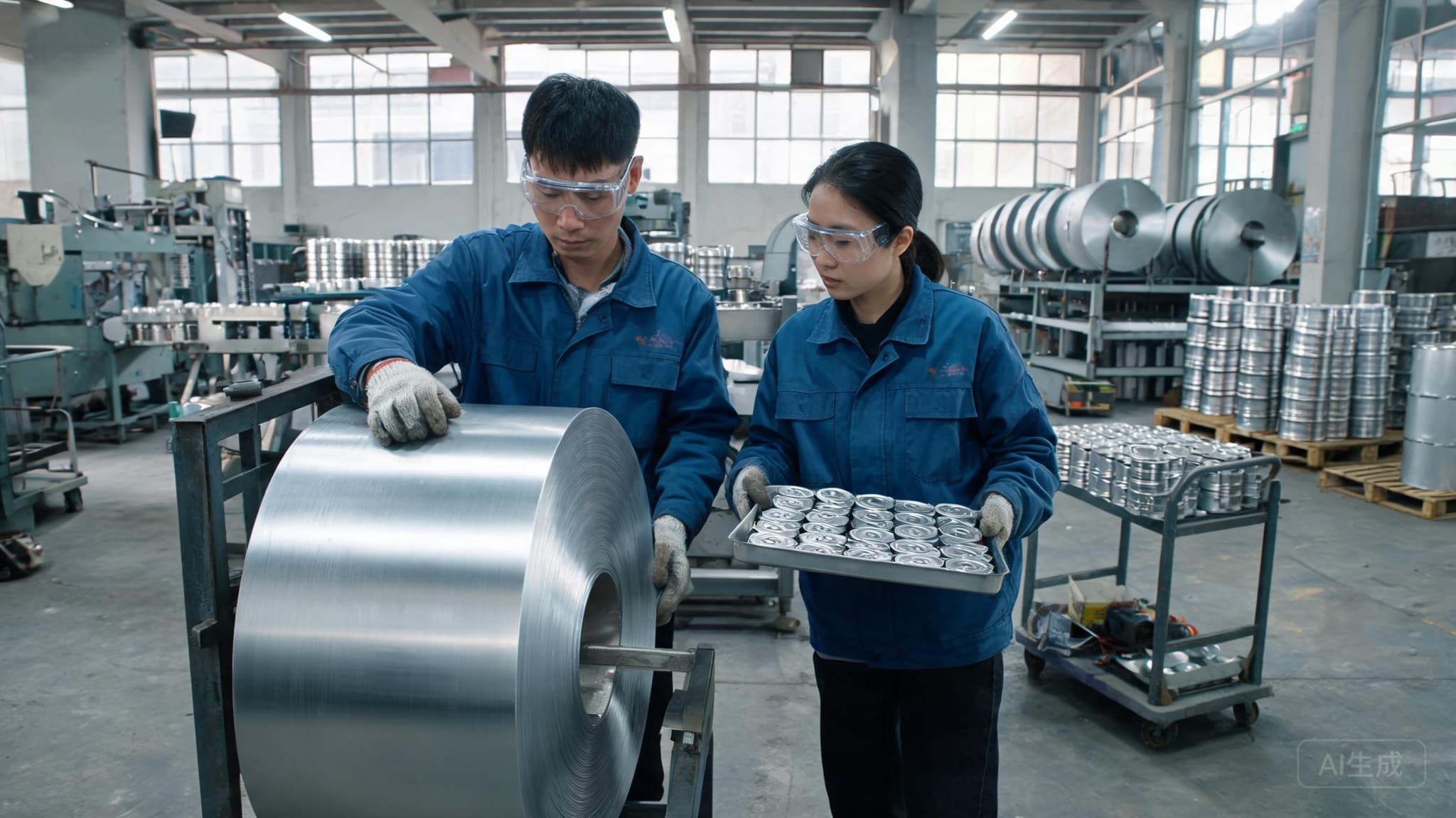
Build a More Reliable Metal Packaging Supply Chain from Coil to Can
Coordinate tinplate, TFS, can ends, lids, and finished cans through a clearer sourcing plan. Match materials and components to your production line, specifications, and delivery needs.
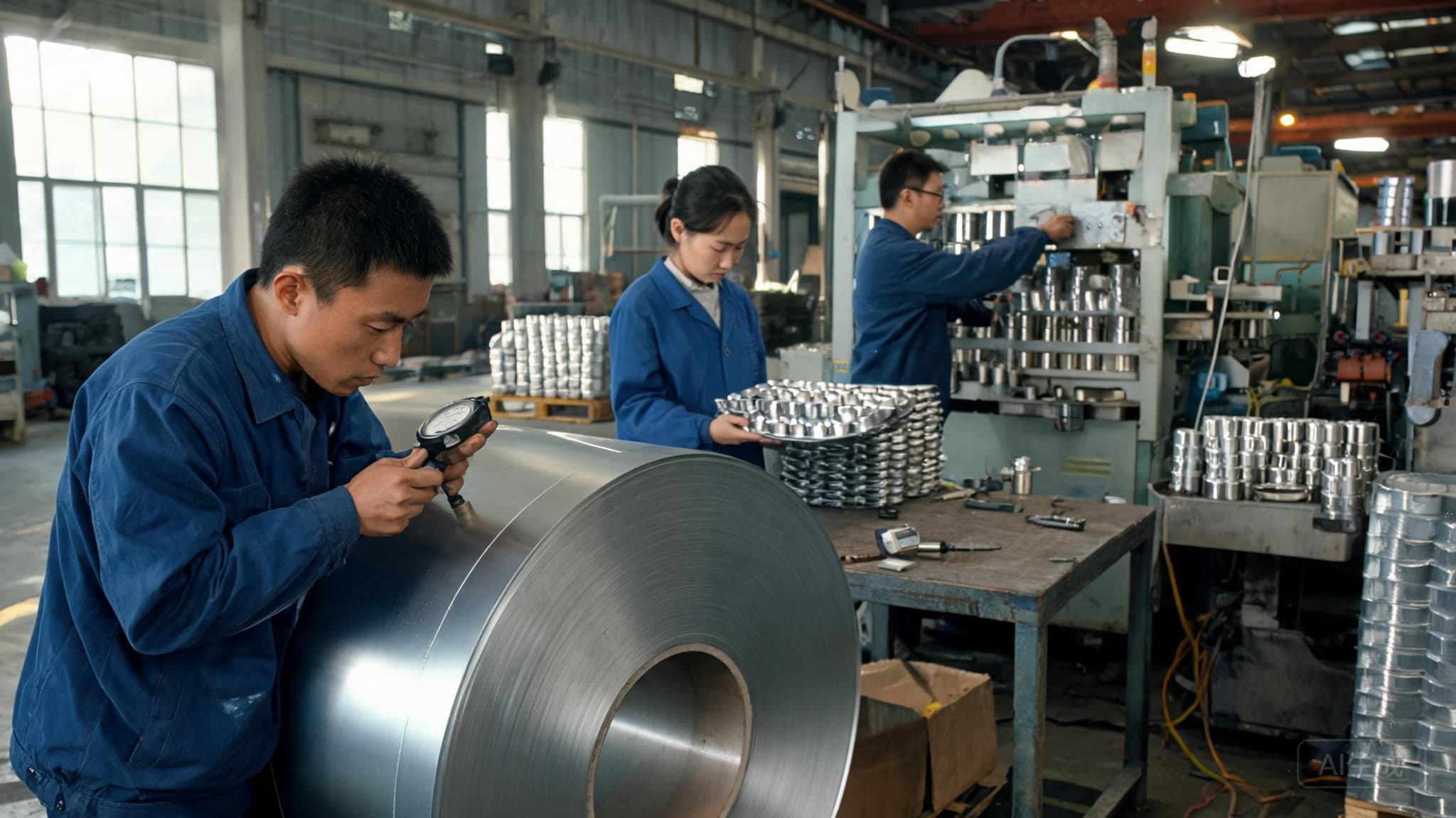
Build a More Reliable Metal Packaging Supply Chain, from Coil to Custom Can
Align tinplate and TFS, can ends, lids, and finished containers with your production needs. Use clear specifications and supply checks to reduce sourcing friction and strengthen consistency.
Want to know more?
Get in touch with us for more information about our services and products.